20 FTStandard
Compact dry equipment for general cargo.
- Internal W × H
- 2.352 × 2.395 m
- Door W × H
- 2.340 × 2.292 m
- Example max payload
- 28,130 kg
A flagship equipment guide for standard, high-volume, temperature-sensitive and oversized cargo. Compare the space you need with the equipment that can safely handle it.
Discuss your shipmentCompare usable space and access dimensions. Standard and High Cube equipment differ in height as well as volume.
Compact dry equipment for general cargo.
More internal space for larger-volume shipments.
Additional internal height for taller or bulky cargo.
Manufacturer and fleet examples, not guaranteed loading limits. Packaging, door clearance, floor loading, road restrictions and carrier approval can reduce usable capacity. Confirm the assigned equipment before loading. References: 20 FT, 40 FT, 40 FT High Cube — Hapag-Lloyd.
Diagrams illustrate relative internal length and height, not engineering or loading drawings.
Explore specialized container options. Select an equipment type to see its purpose and the details to check.

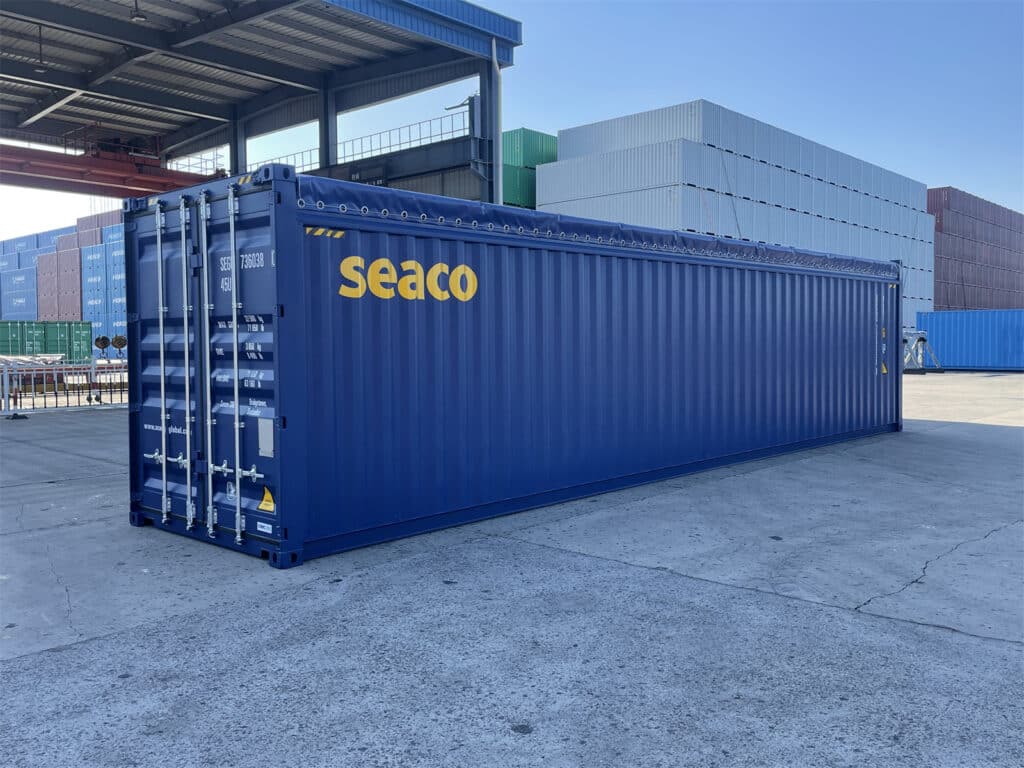
For cargo requiring top loading or additional height clearance. Roof opening, tarpaulin and over-height acceptance need equipment-specific checks.
Roof opening / Height clearance / Carrier acceptance

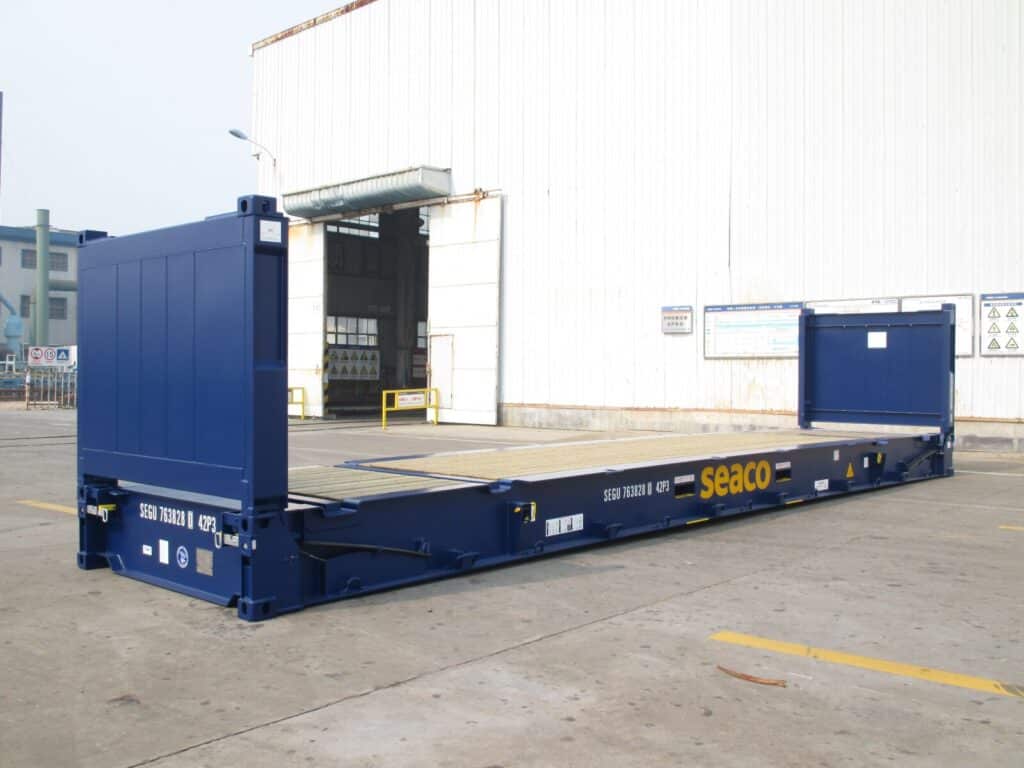
For heavy or oversized pieces needing open sides. Check cargo footprint, support points, securing and approved overhang.
Cargo footprint / Support points / Securing plan

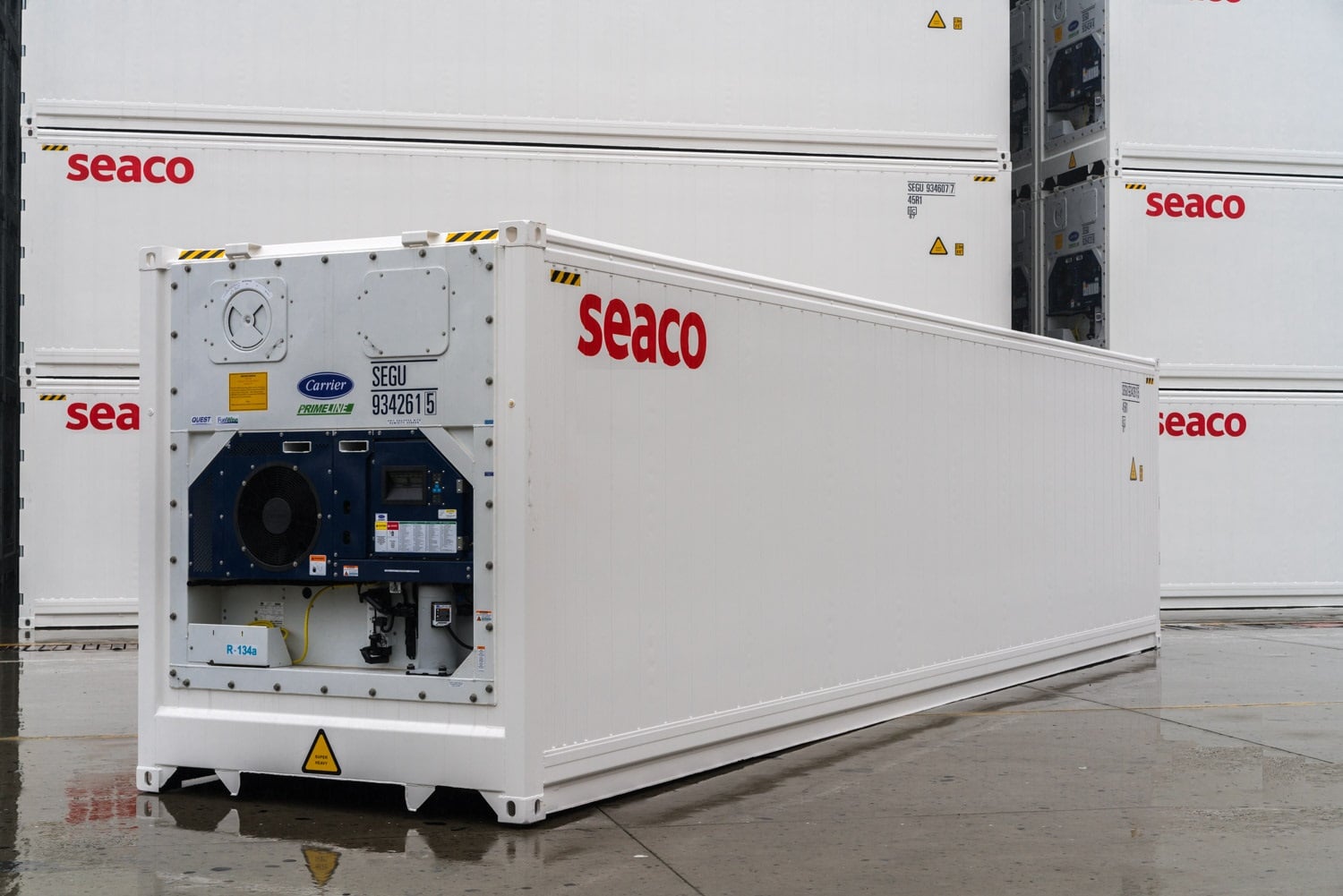
For temperature-sensitive cargo. Specify temperature, ventilation, packaging and power needs for a suitability assessment.
Temperature / Ventilation / Power supply

For extra internal height compared with standard dry equipment. Door clearance and actual packaged height still matter.
Packed height / Door clearance / Equipment dimensions
A container choice starts with the cargo, not only the container size. Work through these four checks before confirming equipment.
Share measurements, weights and loading photos so the team can review the fit.
Review my requirementsLength, width and height must include crates, pallets and protruding parts.
Packed dimensions, not product dimensions.Include packaging, supports and securing materials. Check individual piece weights as well as the total.
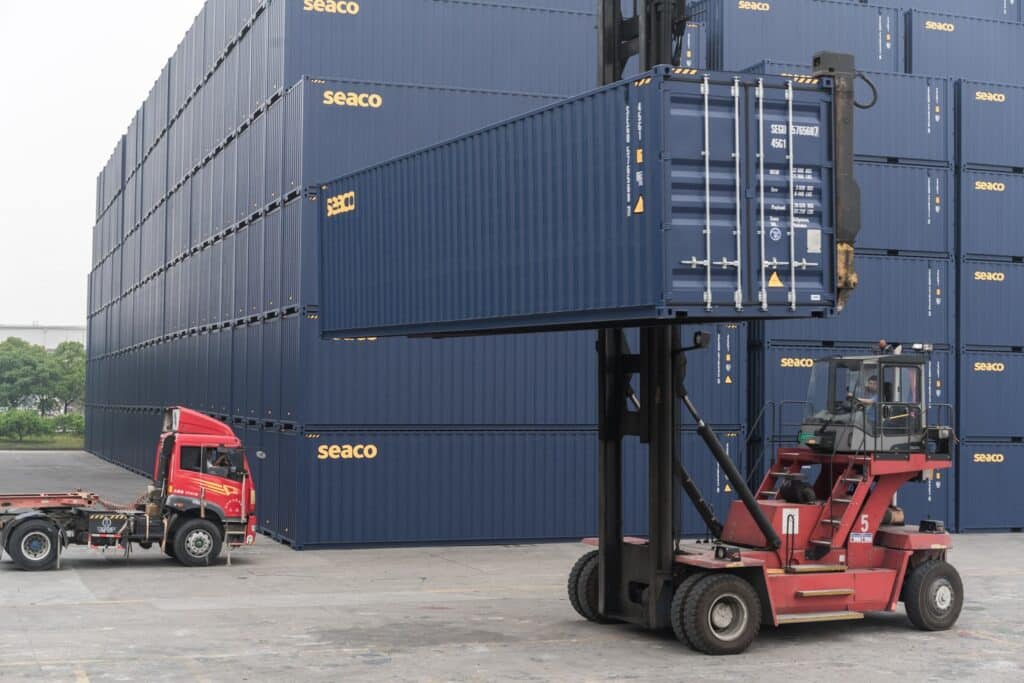
Gross weight and load distribution.Compare door or roof openings with the packed cargo. Confirm loading machinery and unloading access.
Door clearance and handling method.Check availability, permitted loading and carrier acceptance before arranging cargo collection or loading.
Equipment and shipment approval.No. Length, usable volume and permissible weight are separate considerations. Check the equipment plate, carrier acceptance and applicable road limits.
Possibly, subject to packed height, door clearance and loading method. Over-height pieces may need open top or flat rack assessment.
No. Equipment availability and acceptance depend on the port, route, cargo and booking. Confirm before arranging loading.