DHS LOGISTICS / PROJECT / OOG CARGO

Beyond standard sizes.
Built around your cargo.

When cargo does not fit the standard, the solution starts with its dimensions, weight and handling needs. Heavy and oversized movement requires a shipment-specific feasibility review.

Discuss your shipment
01 / SPECIALIZED MOVEMENTS

Beyond the standard.
Built around your cargo.

When cargo doesn’t fit the standard, we build the solution around its dimensions, weight and handling needs.

Project cargo logistics and heavy freight handling
PROJECT / OOG CARGODifferent cargo.
A specific plan.
DIMENSIONS / WEIGHT / HANDLING
01

Oversized
Machinery

DIMENSIONS & ACCESS

Review packed dimensions, access points, lift locations and securing requirements.

02

Heavy
Equipment

WEIGHT & LIFTING

Assess piece weights, support points, lifting needs and transport feasibility.

03

Industrial
Cargo

SEQUENCE & SITE READINESS

Coordinate project components, dispatch sequences and site receiving requirements.
02 / EQUIPMENT STRATEGY

Find a practical handling approach.

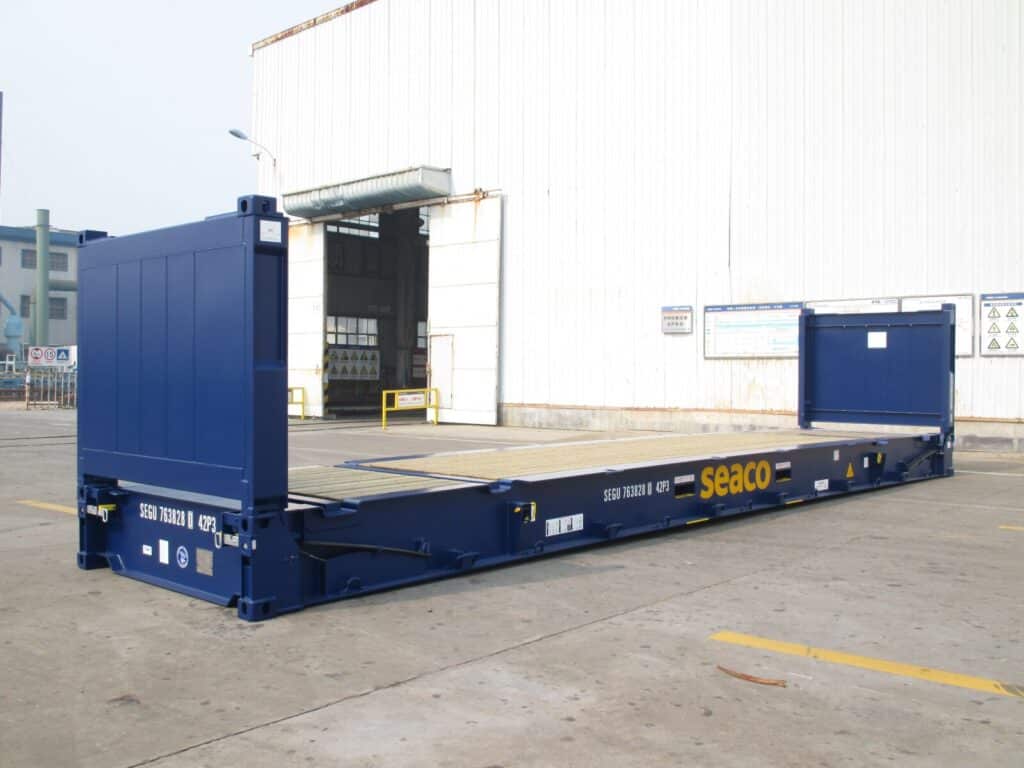
Flat Rack reference equipment
Flat Rack
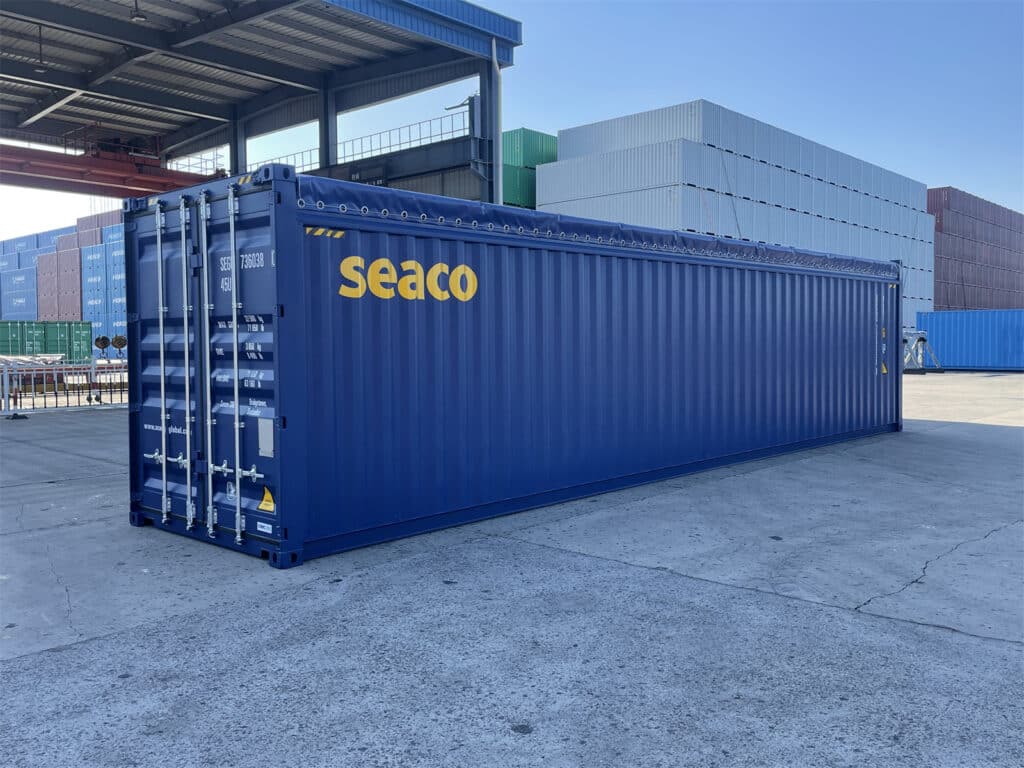
Open Top reference equipment
Open Top

Equipment examples illustrate possible planning options; not every type is suitable for project cargo. Final selection depends on the specific load and carrier approval.

03 / OUTSIDE THE GAUGE

Different dimensions.
Different ways to move.

Flat rack, open top or break bulk? Start with the cargo profile to review a suitable handling approach.

OPEN-SIDE SUPPORT

Flat Rack Cargo

Open-side equipment can accommodate certain oversized pieces, subject to footprint, securing, weight distribution and approved overhang.

ACCESS FROM ABOVE

Open Top Cargo

Top loading may help tall or crane-loaded cargo. Opening dimensions, roof arrangements and over-height acceptance require confirmation.

INDIVIDUAL PIECE HANDLING

Break Bulk

Individual cargo pieces handled outside standard container arrangements. Vessel handling, lifting, stowage and port capability require a specific plan.

BEYOND THE ENVELOPE

OOG ? Out of Gauge

Cargo extends beyond the usual equipment envelope. Supply complete drawings to assess approvals, handling and route constraints.

Equipment and handling options are subject to cargo details, route feasibility and carrier approval.

04 / FEASIBILITY FIRST

Review the details.
Then build the route.

A practical movement plan starts with the cargo and connects every handling decision before dispatch.

  1. 01
    CARGO PROFILE

    Survey details

    Collect dimensions, drawings, photographs and piece weights.

  2. 02
    HANDLING APPROACH

    Assess options

    Review equipment, lifting and securing requirements.

  3. 03
    ROUTE FEASIBILITY

    Plan route

    Check transport access and relevant handling constraints.

  4. 04
    MOVEMENT PLAN

    Coordinate execution

    Agree responsibilities and movement milestones before dispatch.

Before dispatchConfirm the agreed handling approach, route requirements and responsibilities.

Discuss your cargo
PLAN WITH CONFIDENCE

What to share for a useful quotation.

Your shipment checklist

  • Final packed dimensions for every cargo piece
  • Gross weight, centre of gravity and lifting / support points
  • Technical drawing and recent photographs
  • Pickup / delivery site access and lifting arrangements
  • Required movement dates and delivery sequence
USEFUL ANSWERS

Before you
move your cargo.

What counts as OOG cargo?

Cargo that extends outside the normal dimensions of the selected transport equipment. Suitability is assessed against the actual equipment and transport plan.

Can I book using estimated dimensions?

Initial planning may begin with estimates, but accurate final packed dimensions and weights are needed for equipment and carrier approval.

Are route surveys and lifting arrangements included?

Only if expressly agreed. Identify survey, lifting, securing, permits and site responsibilities during the feasibility review.